

-
Book Fair at Totnes
Not exactly a snappy title but I’m tired from the drive, the event, the drive back, via a cameo performance in Iryna Ilnytska’s Carmen at the University of Exeter… A successful day in which I met many lovely people interested in the Norman Lockyer Observatory, space, stars, and my books. Peter from the Beyond the Horizon series of space adventure tales was there doing his best to attract interest. The SumUp machine worked well – thank you to my son for setting it up! An unexpected find was that people liked my homemade bookmarkers (which craftily contained my details on the back). No one bought any cards. There were carol singers, a puppet show, and a great deal of networking, and lots of mutual support for ourselves, books, libraries, and independent bookshops.
Here is Peter…
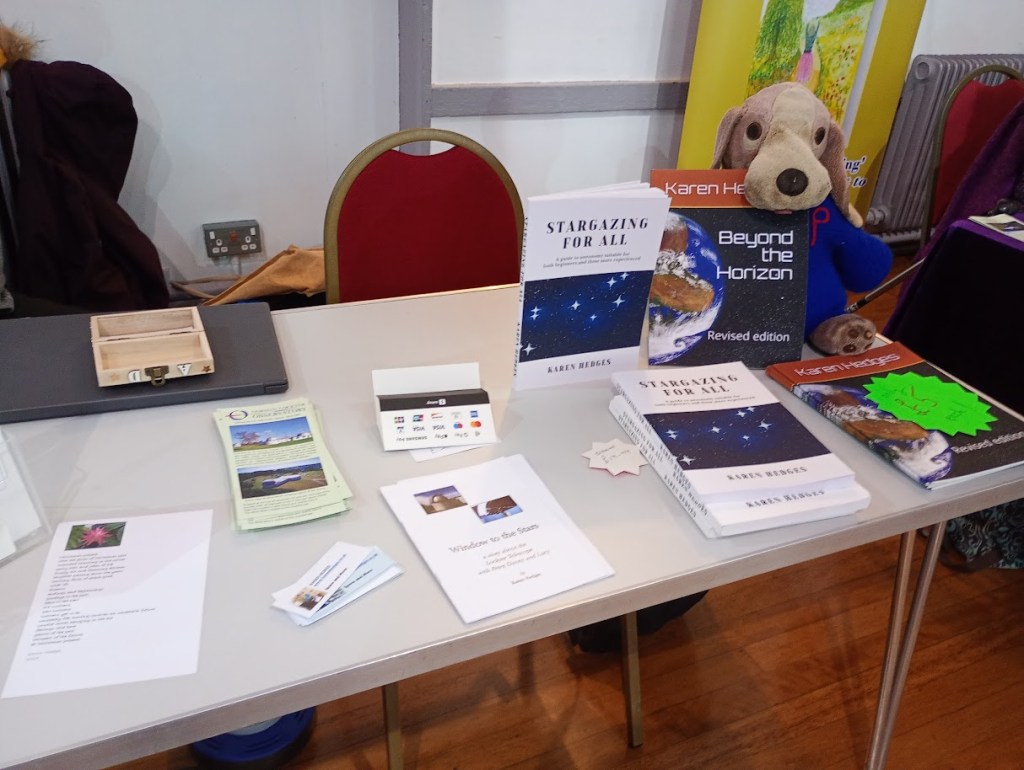
As you can see, we were also promoting the Norman Lockyer Observatory in Sidmouth. I am researching into Sir Norman and am happy to chat at length…but also am passionate about using the historic telescopes for observation.
-
Synchronicity…
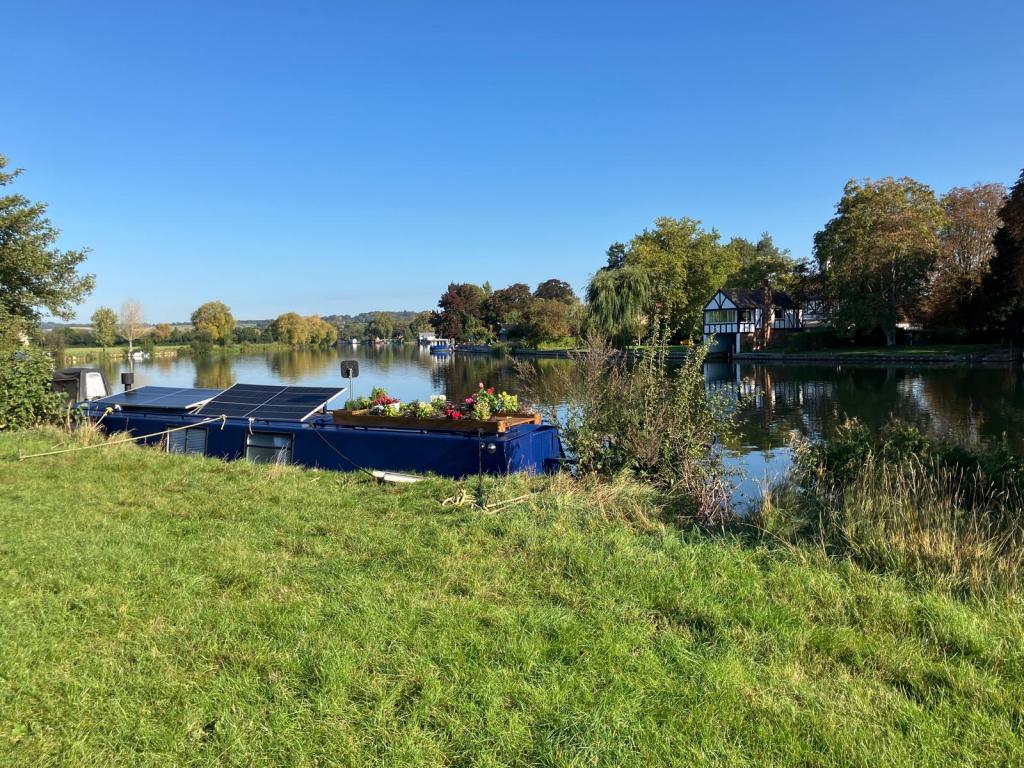
In a nice display of life’s synchronicity, my birthday was book-ended either side with a Cookham Tuesday. ??? Last Tuesday I gave a talk about William Lassell who lived at Ray Lodge, Maidenhead…which meant I could display a photo of the prettiest stretch of river from Maidenhead to Cookham, and last night Cookham was shown in all its beautiful river glory to the world in an archaeology programme about the Cookham Dig.


-
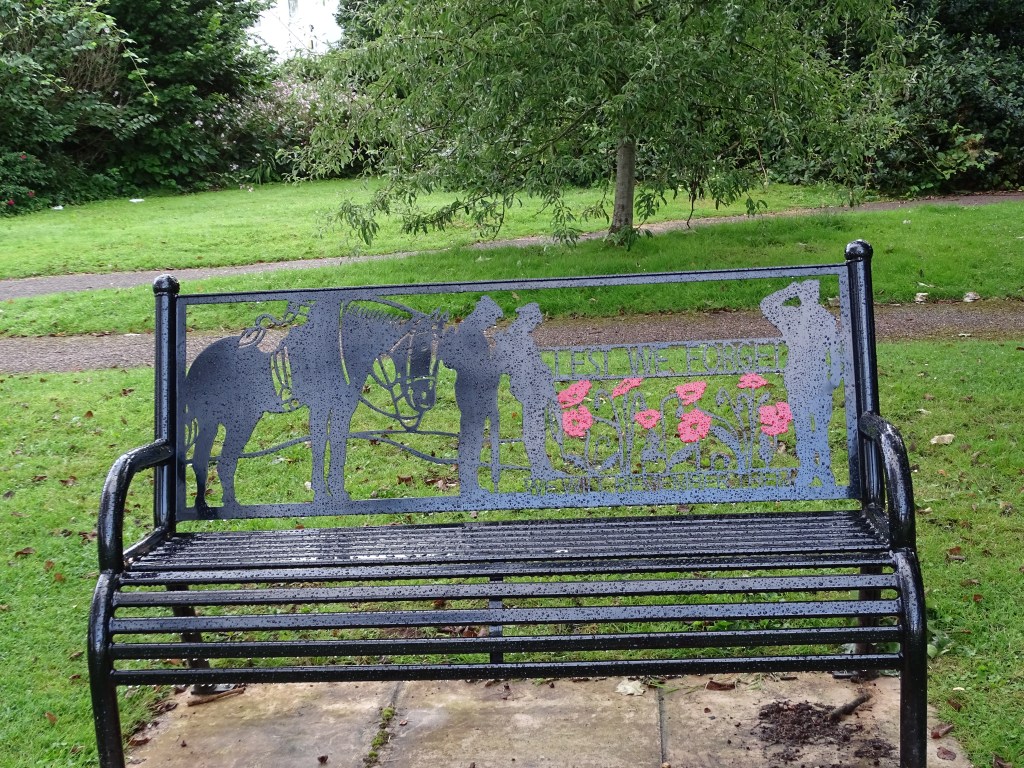
Remembrance Day always makes me thoughtful. I loved working at the Commonwealth War Graves Commission as a secretary where I learned about far away countries and how each grave is carefully tended, sometimes by many generations of the same family.
I have had a cracking weekend with a trip to the theatre on Friday to see an HG Wells play, The First Men on the Moon. This was performed by a solo actor playing multiple parts by changing his body posture, remarkable and wonderfully done. I now want to read the book! HG Wells certainly was spot on with the scientific aspects of space travel and what the moon’s surface may be like, although he was a bit off the mark with his Selenites…
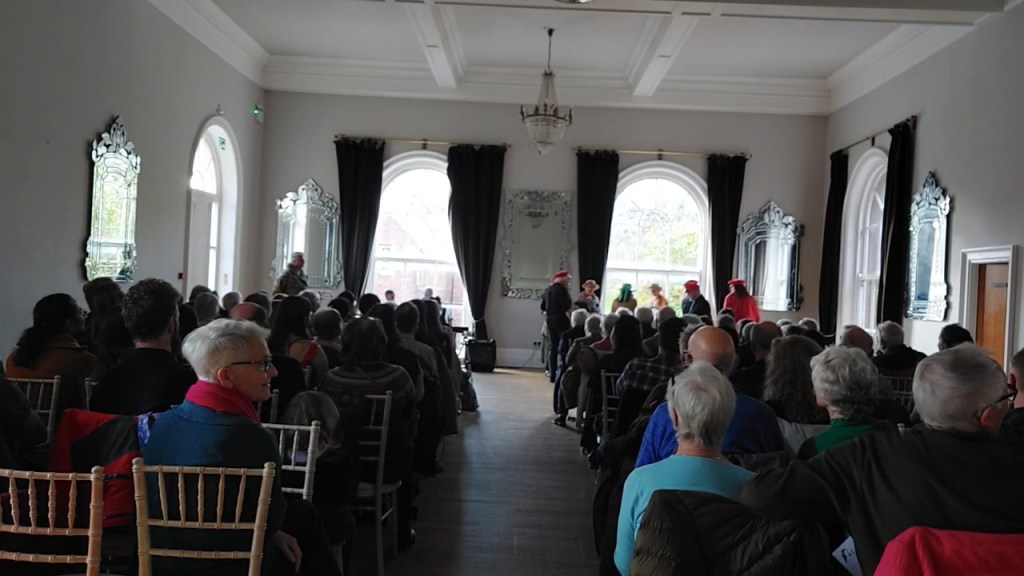
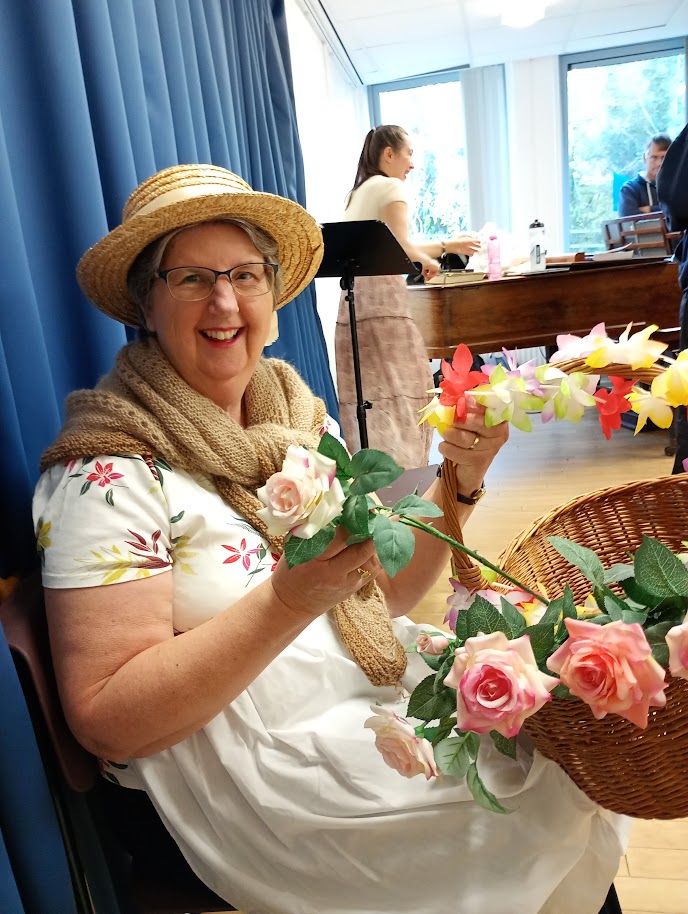
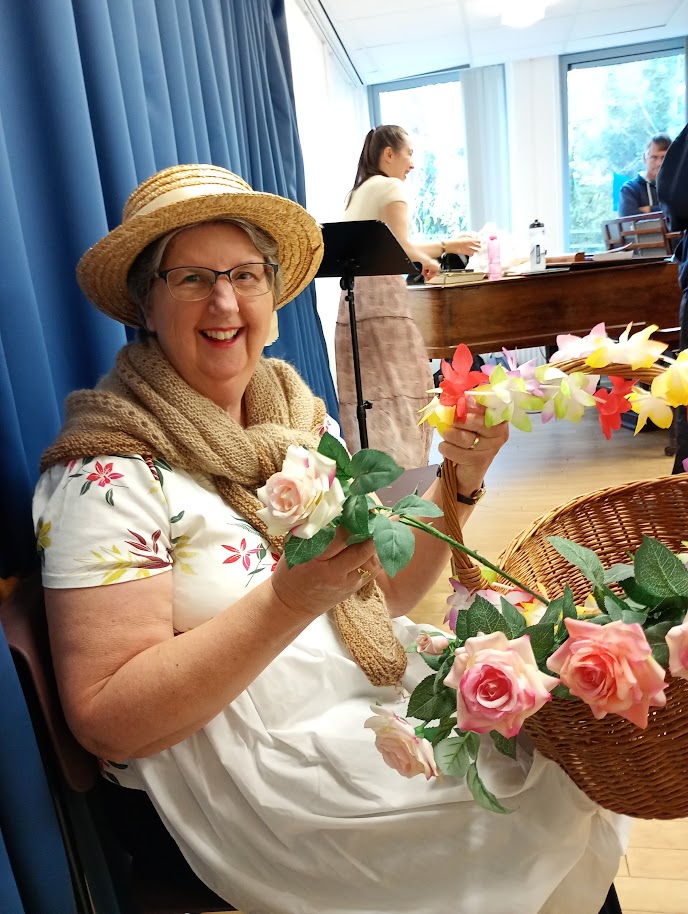
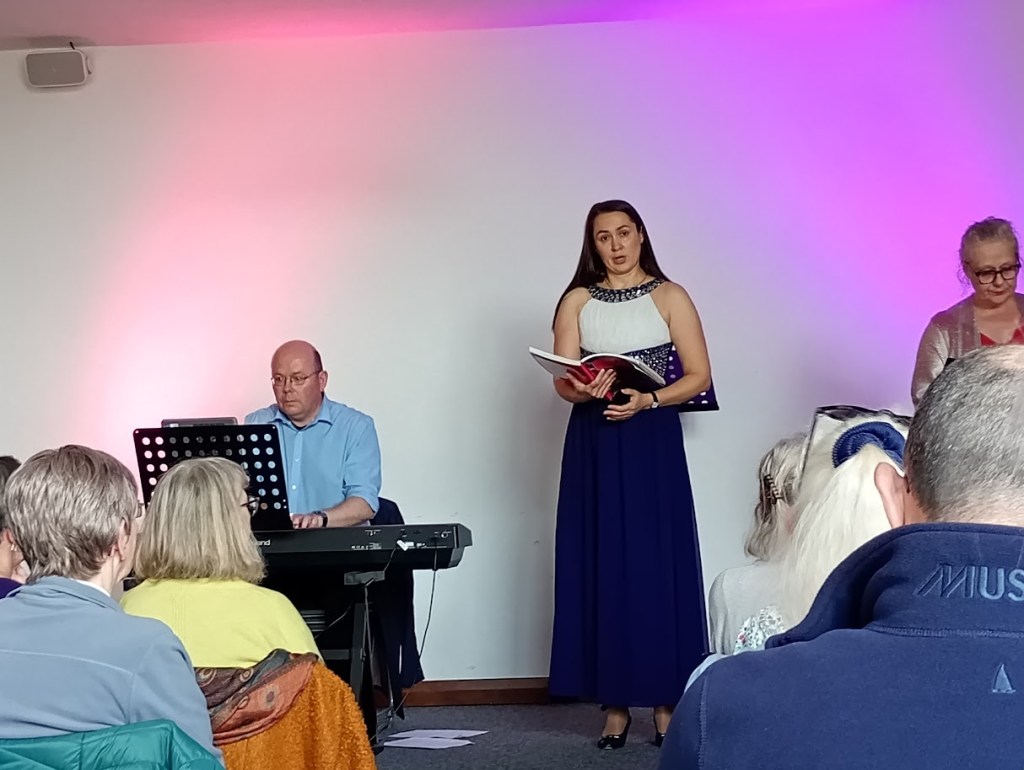
On Saturday I gave my cameo role in Iryna Ilnytska’s Carmen everything I had in order to do her proud. She is a very good friend, and most talented performer and director. Everyone gave their best and the audience were wowed by the talent and warmth of the cast.
Here is a glimpse of the chorus in action:
There are lots of posts flying around about being kind to everyone. I hope that staff are also polite and give good customer service with a smile. Not talking into a headset when there is a real life person in front of them. They need to resist the pressure to ‘multi task’! It is confusing to say the least, and rude from my memories of customer service training.
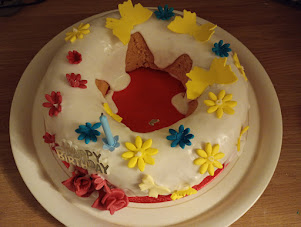
Rant over…tomorrow I continue my path towards being a Grumpy Old Woman and have made a pretty cake for the celebrations.
-
Modern Living
As you know, I have a partner in crime on social media. Little MaldwyntheMouse has lots of adventures and fun as he discovers the world around him and also enjoys the many customs and festivities throughout the year. Through him, I have learned that fireworks are not readily available on the high street any more. I think I knew this, but the reality hit home yesterday as I was hoping to buy some sparklers for his Instagram post. This led me down the route of thinking about what else has been ‘lost’ over time: Andrews liver salts, only buying Hot Cross Buns on Good Friday, chemists – with little packs of bathcubes and other sundry items, wearing smartish clothes to go outside for shopping, being aware of other people (I was about to join a queue in the local supermarket, when an elderly lady rushed over and ‘bagged’ a place for her partner pushing a full trolley), post offices, people in banks, pushing stuffed effigies around the street, and no doubt many more.
Is the world a better place? Some may say it’s safer, we certainly don’t have the amount of firework related accidents any more, but the lack of a friendly face as you post a parcel, return a library book, buy some shopping – these are great losses. My local supermarket has reached the very nadir as its assistants now wear headphones to receive instructions while serving customers. Not good customer service. I walked away when the assistant began talking into the headset. I was trained to deal with the live person in front of me, then phone calls.
In other news, do go see Carmen this month or anything that Iryna Ilnytska is in or produces. You will not be disappointed. You will be amazed at her talent.

-
November fun times
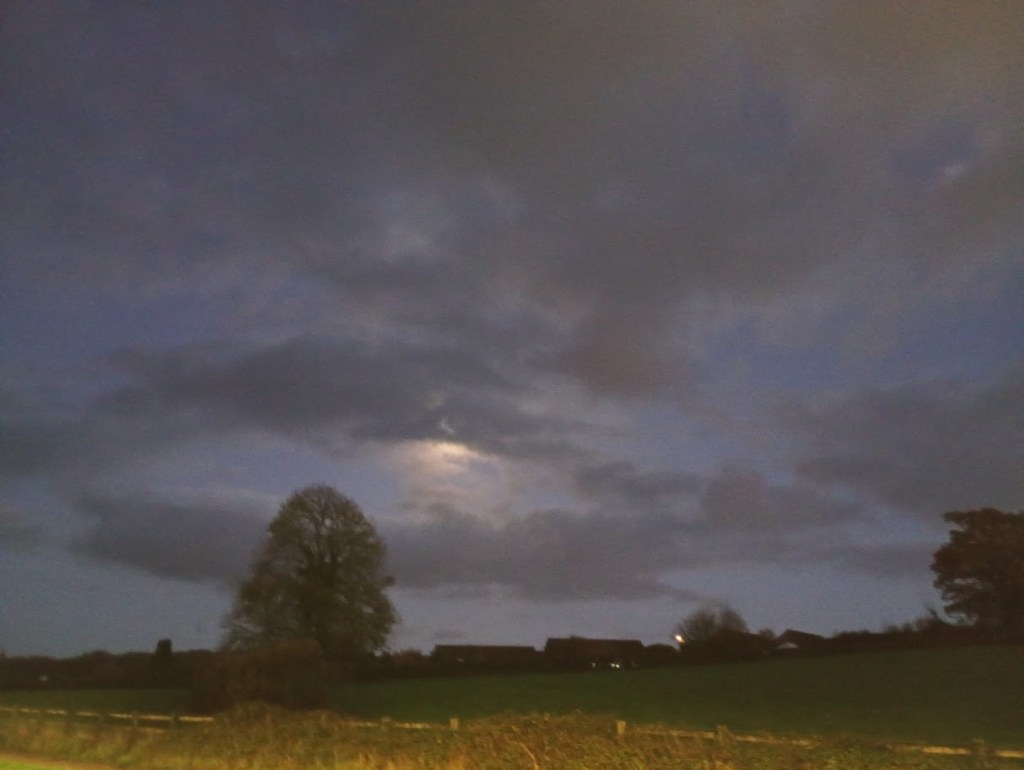
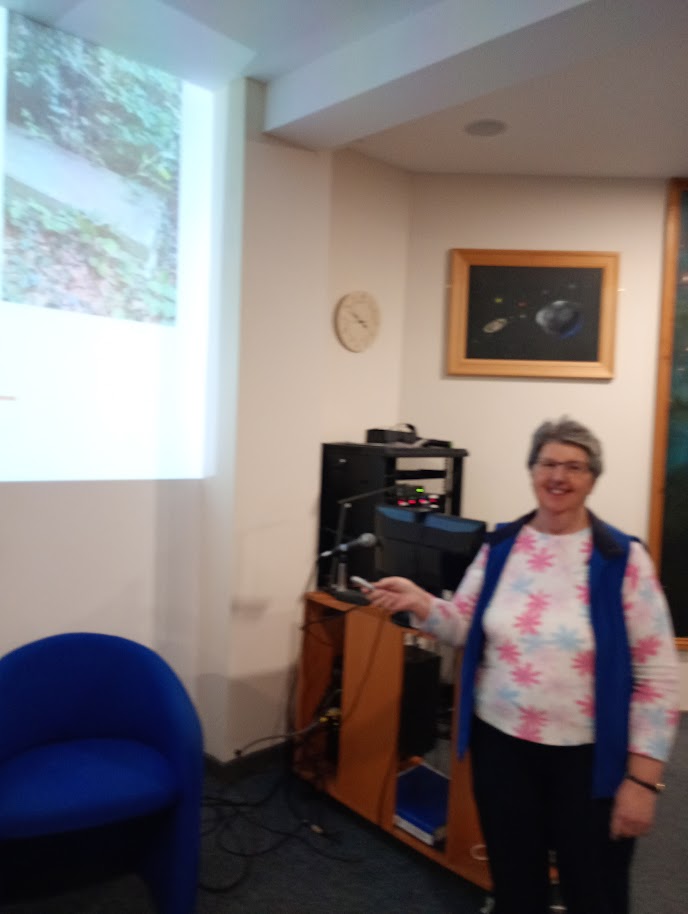
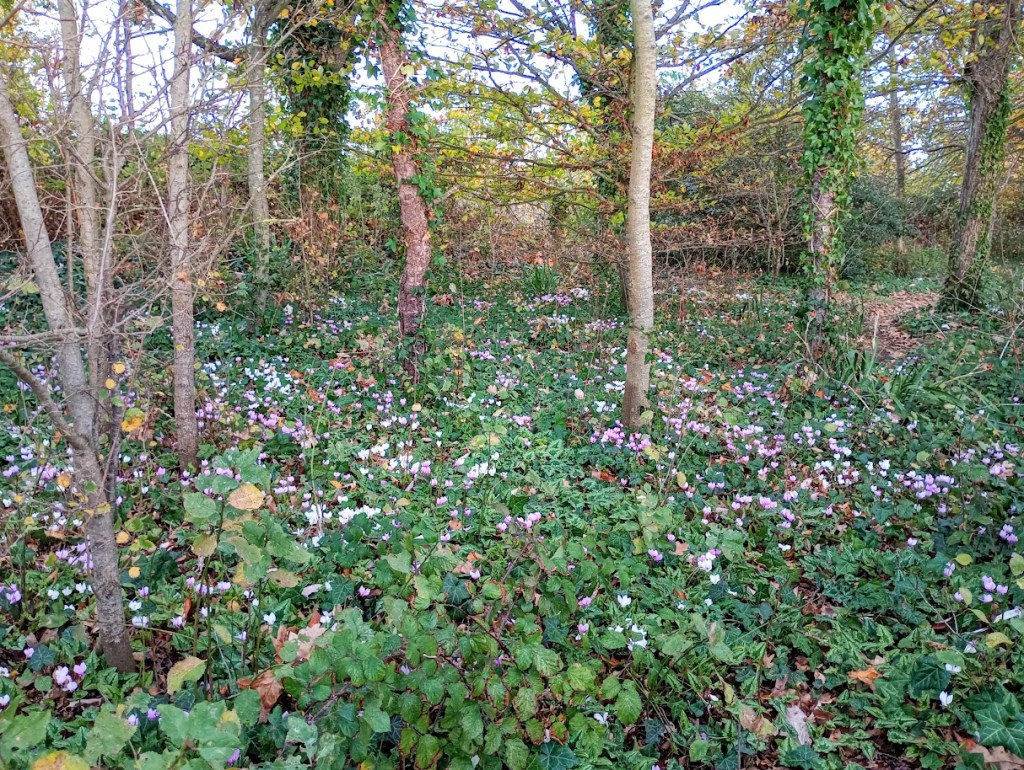
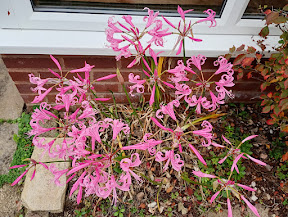
The month began with an interesting live discussion with other astronomy enthusiasts hosted by New Life Radio, including my daughter which was lovely, and on Sunday a dress rehearsal for Carmen in which I play the part of the Flower Seller…thankfully no singing, and on Tuesday a well-received presentation about William Lassell whose letter I had found in the University of Exeter archives. The letter had been sent from his home in Maidenhead, my original home town, and not knowing of the man, I researched his story. And what a story it was. He discovered many moons of Uranus and Neptune, and built many telescopes including a massive, state of the art, 24″ one. He began his life in Liverpool, moved to Malta, then moved to Maidenhead. And why not? It contains one of the loveliest stretches of river anywhere. If you are reading this today (5th November), forget about fireworks and look for the big super full moon. The moon appears large because it is still quite low on the horizon and is also on one of the nearest points to the Earth on its orbit. Oh, and I had a nice walk along another river, where there were swathes of beautiful cyclamens.
-
Time regained…
Time regained,
the stars aligned
as through the leaves we rustle
shuffling through the season
the season of fruit, of golden hues, of pies and pumpkins
with hints of winter in the shops
Boxes of chocs and candypop
‘Too early’…
but not too early to order that special gift…


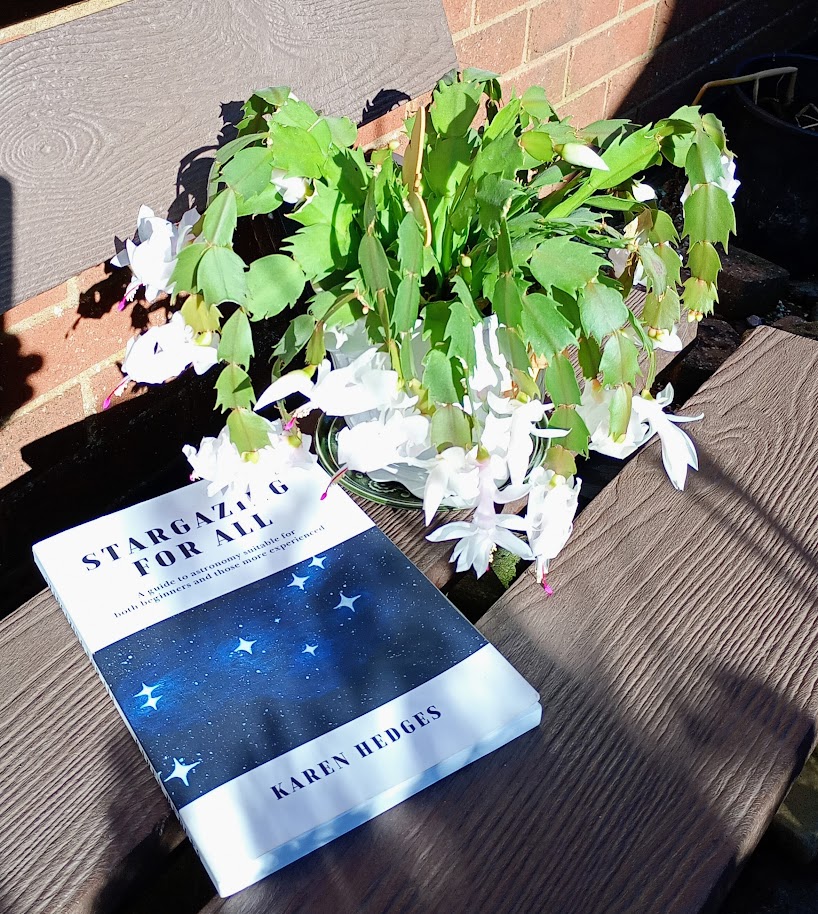
https://www.waterstones.com/…/karen-hedges/9781739123611
Is it me or is the media making a huge fuss about adjusting to the hour change? Surely, the worse one is in the spring when we lose an hour and the sun no longer matches the time? I love today when GMT returns. I just hope people show some restraint with garden lighting…the stars and moon do not need enhancing.
-
Rain, glorious rain…
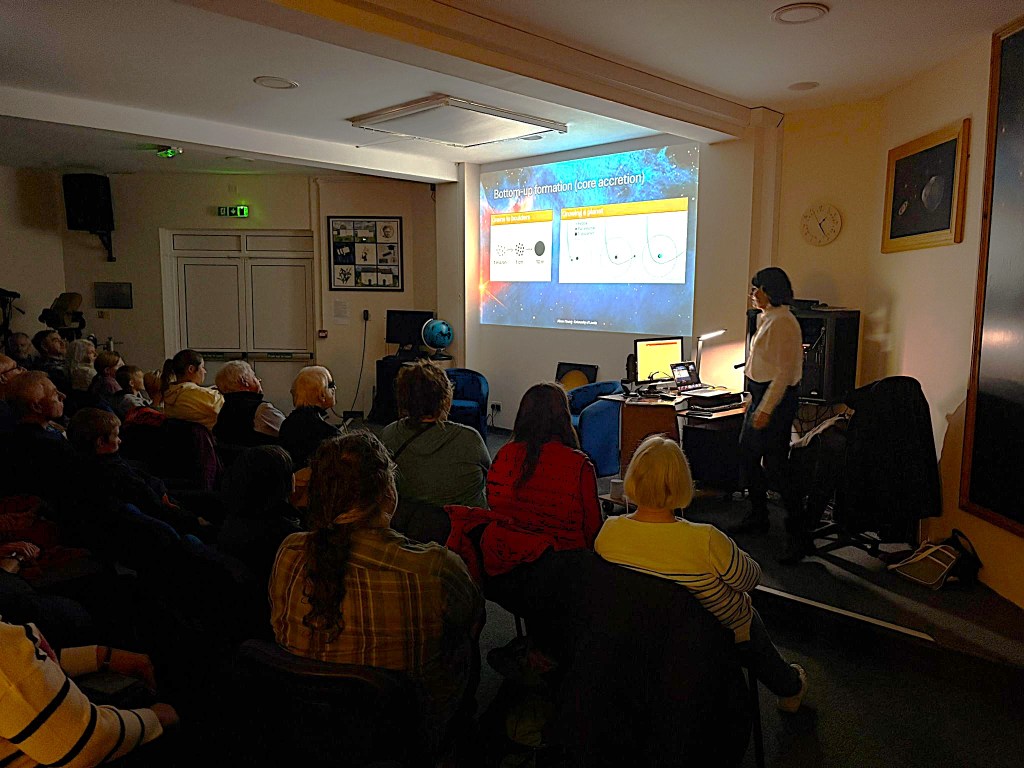
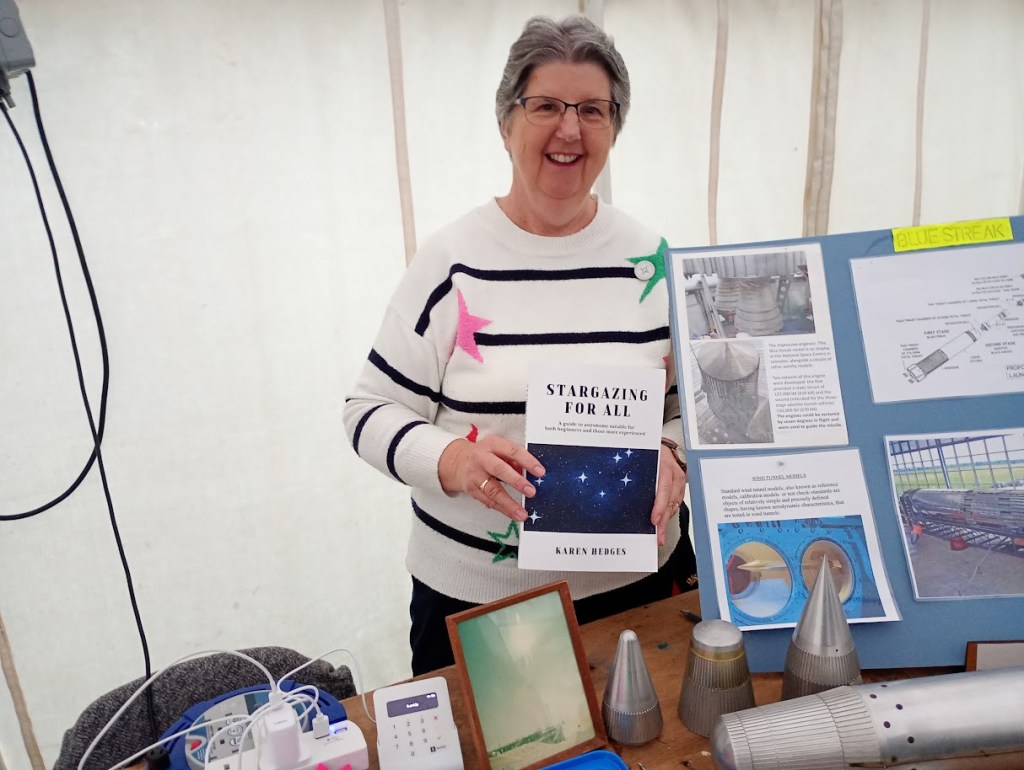
Well, the Sidmouth Science Festival family day at the Norman Lockyer Observatory happened, despite the poor visibility and persistent rain. This latter did not dampen the spirits of those attending. Many were fascinated by our display of a wind tunnel model of the Blue Streak rocket. A full lecture theatre were enthralled by my daughter (very proud mother moment!) giving a talk about solar system formation, and her research. I would have liked to have sold more of my books, although I was pleased by how many people picked up a copy to look through. A veritable whirlwind of a weekend!
-
If music be the food of love…a wonderful weekend full of cake and music
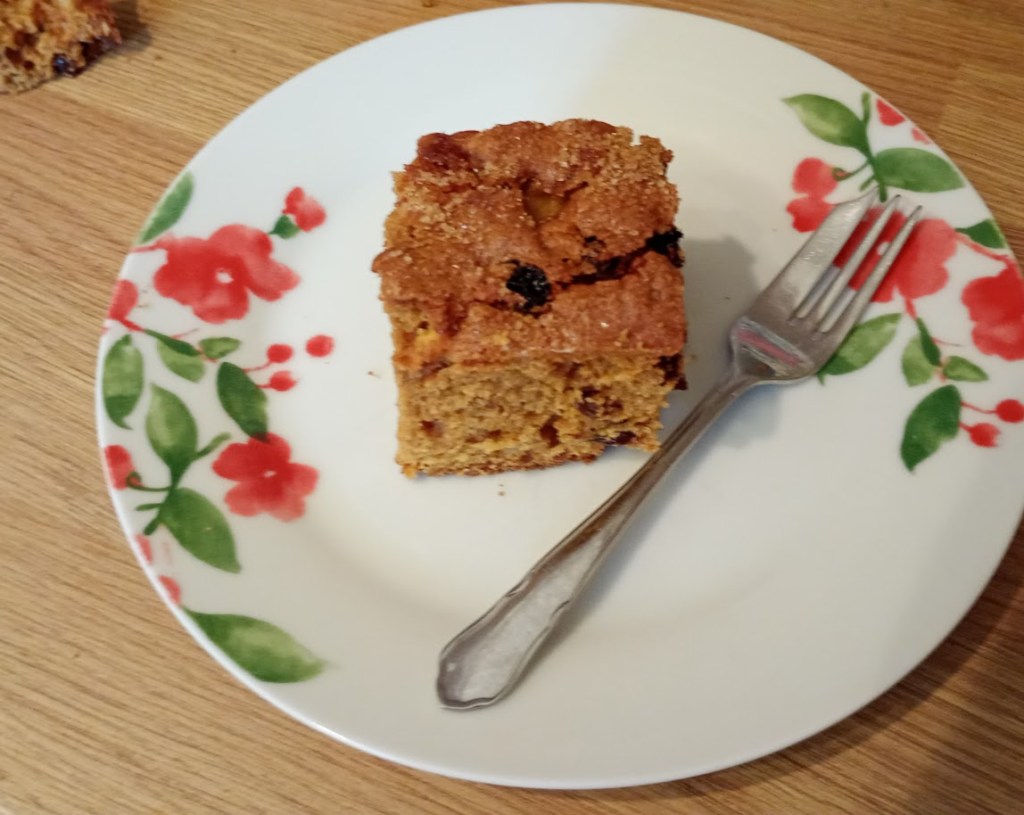
Apple cake, music, apple cake, talking about my favourite subject, music, Rugby cake, country drive, and rounding off with tea and cake.
On Friday, after a delicious lunch of homemade soup, apple cake and cups of tea, Ian Rees and Becky Lynch entertained us with a lovely mix of old favourites and less well known piano and flute pieces. We left feeling refreshed and restored in both mind and body.
In the evening at the Norman Lockyer Observatory, I gave a talk about the Lockyer telescope…including snippets about Sir Norman of course…to members. I was heartened that two people wanted to know more about him afterwards. It was hard, but I did stay on topic, which was to explain the journey from lens in a homemade telescope, to here at the Observatory in Sir Norman’s telescope. I am keen to keep this telescope at the forefront of people’s minds as we go into the business plan stage of taking over ownership from the local council.
Saturday saw us enjoying more music. This time with Roy’s son as a belated birthday treat. And what a glorious treat! Iryna is certainly changing the face of the Exeter music scene. Iryna headed this journey into another world with her unique voice and performance, complemented by the lovely Melanie Mehta, and Ian Spackman, someone new to me, who blew us away with his amazing baritone voice. Tim Laurence-Othen again worked hard accompanying all the songs, with some solos which showcased his talent: it was otherworldly to be in a room full of people humming along to the Chorus of the Hebrew Slaves, realising that it was not just one of my favourites but that of many others.
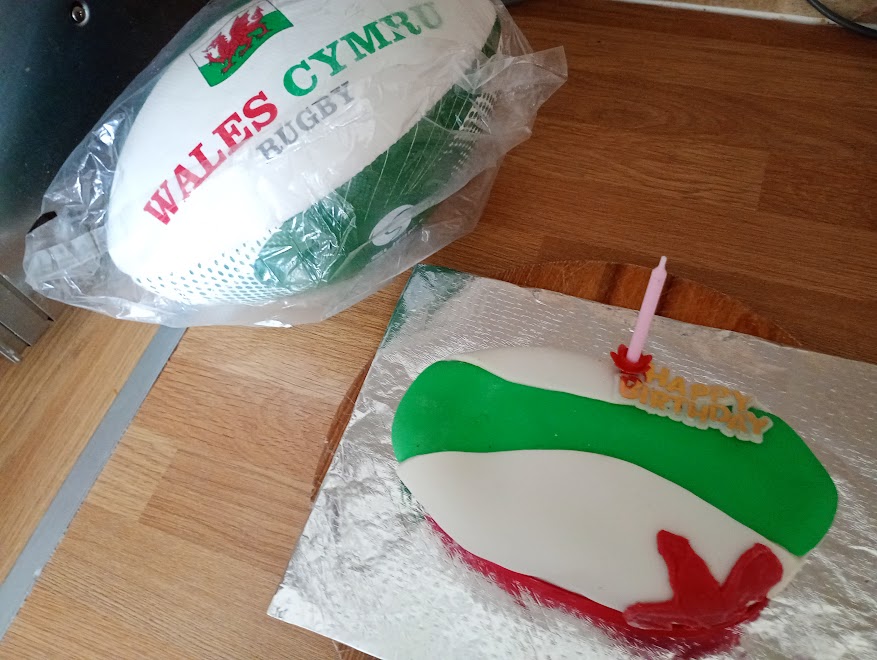
Back on the ball with my cake making…bit of a challenge but I tried my best…
-
Moon Hunting
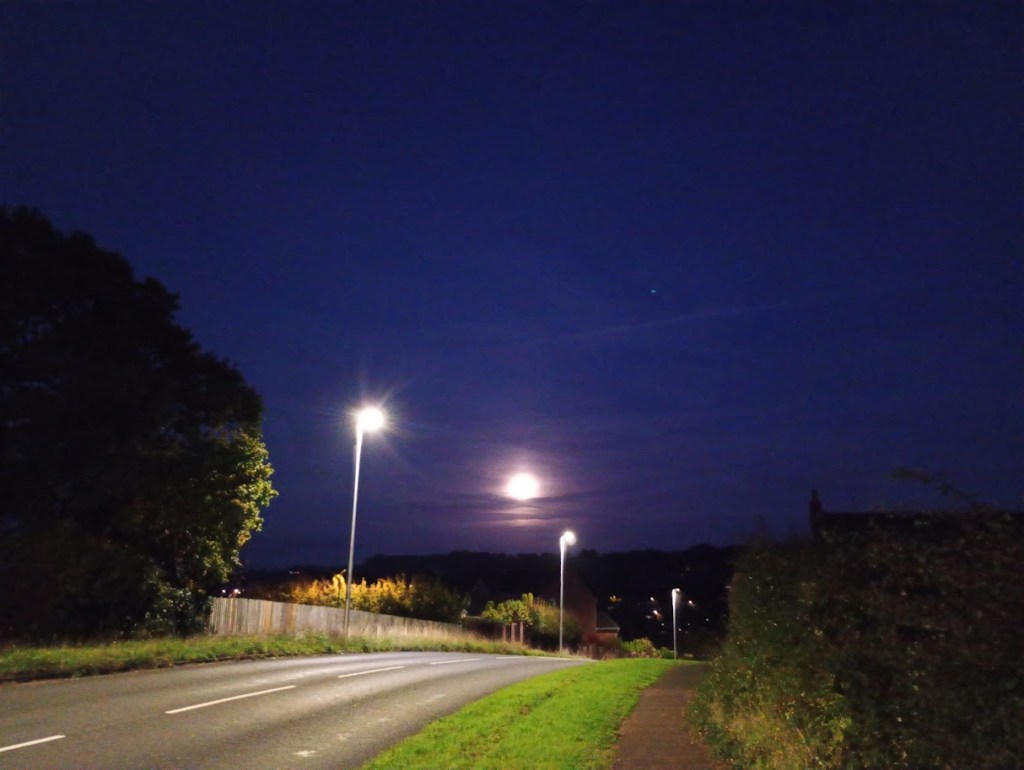
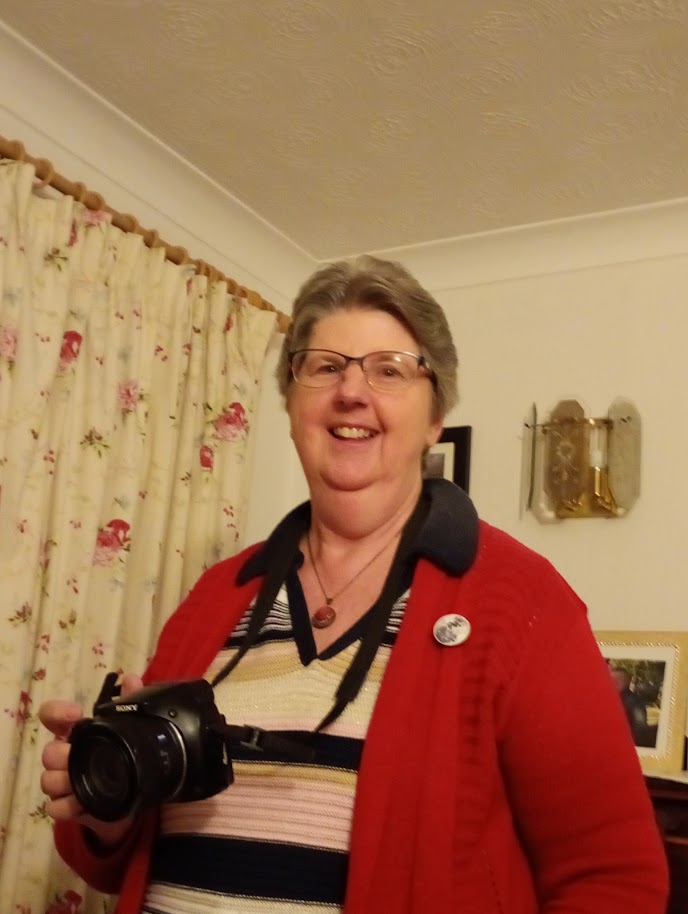
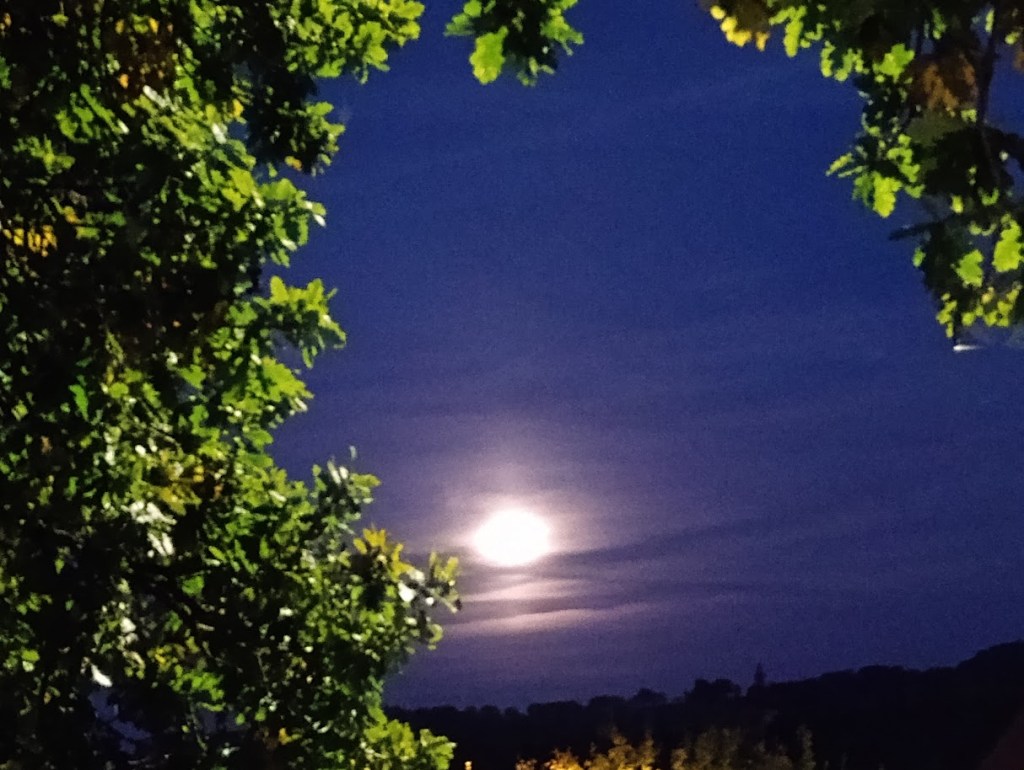
Off I go to take yet another look at the Moon and more photos…endlessly fascinating, especially as the low full moons are coming to an end at this point of the Moon’s 18.6 year cycle. I was rewarded by a glimpse of Saturn which is near the Moon at present. If you are reading this tonight (7th) or tomorrow then do pop outside just after sunset to catch the full or near full Moon. It is not cold, it is dark enough to see some stars and Saturn…make the most of this time before the cold winter nights set in. Clear Skies!
-
Autumn and the darkening evenings
As I hastened out on my evening walk, I was stopped in my tracks by a glorious near-full moon just above the horizon. It is still very low, and therefore appearing very large, as it nears the end of its 18.6 year cycle before once again rising higher once more. There are many dark sky events being advertised which would be great to go along to. My book is there to help you get started by showing you just a few of the bright stars that appear early in the evening so you can orientate yourself before becoming overwhelmed as the sky darkens. Stargazing for All will also be available at the Sidmouth Science Festival family day at the Norman Lockyer Observatory where you will find me alongside a display about the Blue Streak rocket. There is lots to enjoy plus talks from former young observers at the NLO, now doctors of science, on hand to explain the wonders of the solar system to you.
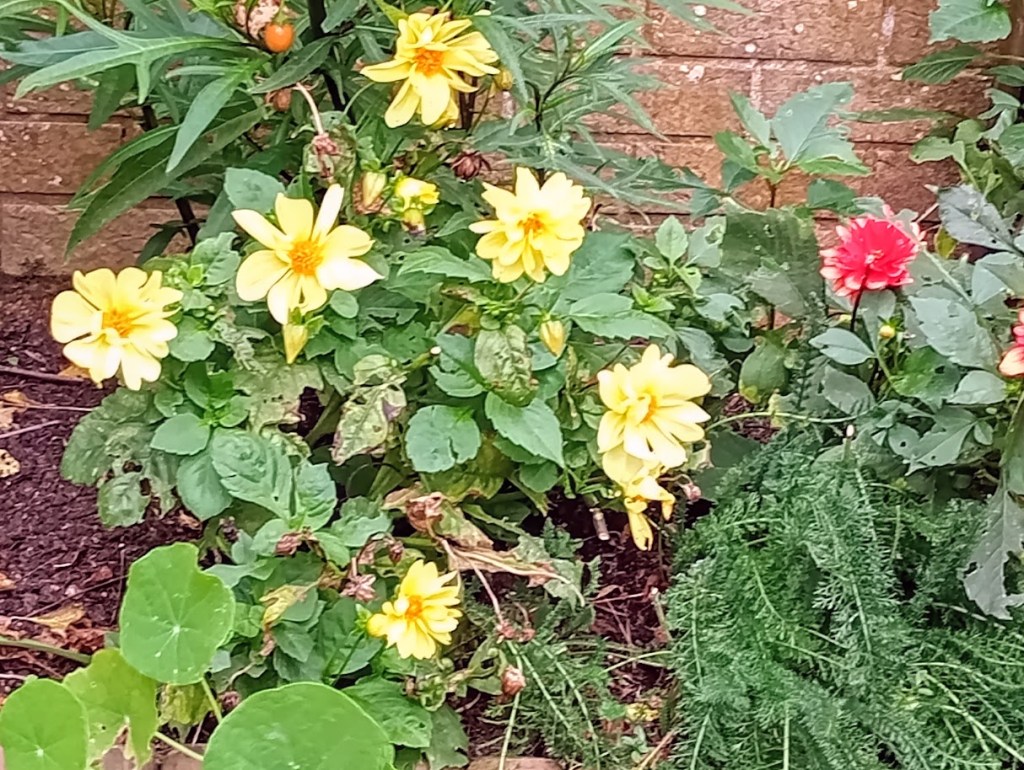
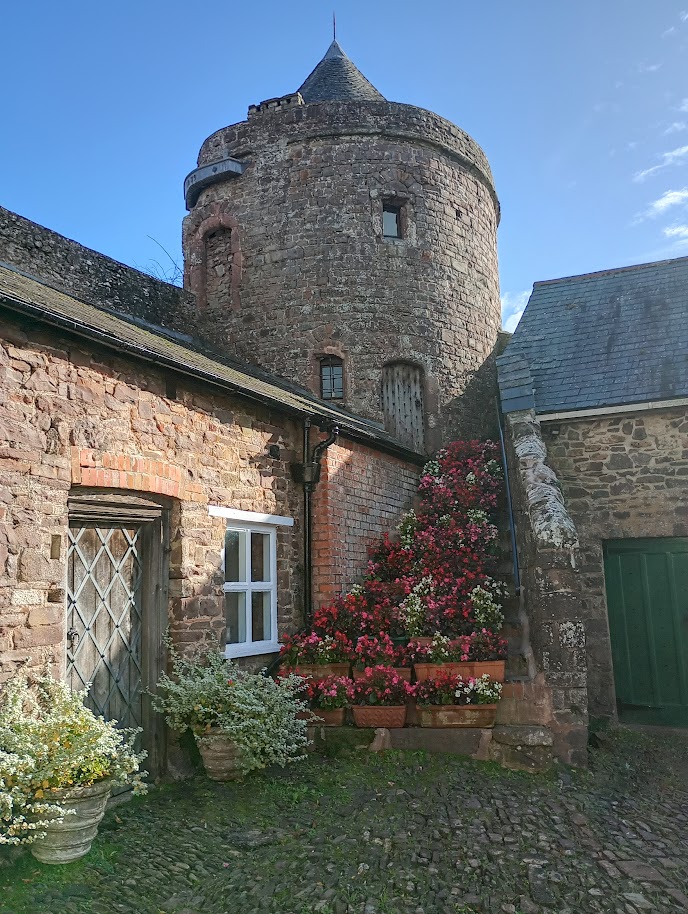
Sunday afternoon saw me taking a trip out to Tiverton castle gardens, not far but somewhere not visited. The sunshine gloriously lit up the wonderful autumnal colours of dahlias and tiny cyclamen. Definitely a place to return to and explore the displays of Civil War armour inside.
 Karen Hedges